Editing
The Truth About “Humanize AI Text” Tools
Humanizer tools promise undetectable, human-sounding text at the click of a button. I ran drafts through three of them: the text got worse every time, the meaning drifted, and the detector scores proved almost nothing. Here is what they actually do — and the one legitimate use I found.
 Written by Daniel Carter
Daniel Carter writes and edits practical guides on writing, editing, and publishing at Text Craft Pro, based on hands-on testing and documented examples.
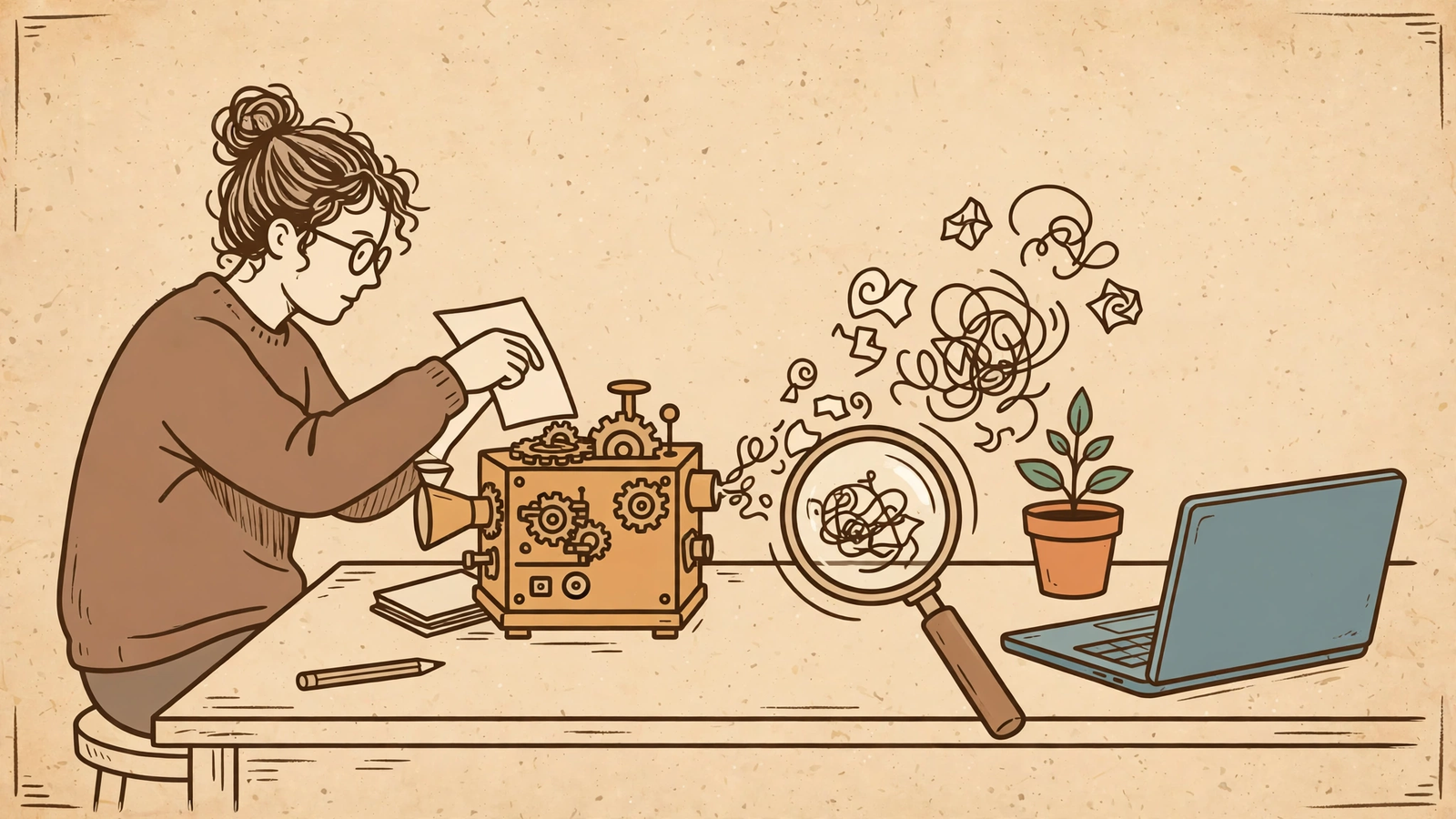
Paste in your robotic AI draft, click a button, and out comes text that reads human — and, the ads promise, slips past every AI detector on the market. That promise is exactly why these tools worry me. Not because they work brilliantly, but because they work just well enough to get people into trouble.
I’ve spent the last few weeks running drafts through the free humanizers and reading their output line by line. Here’s what I found: they don’t make your writing human. They make it differently robotic — and they charge you, in meaning and in trust, for the privilege.
1. What a humanizer actually does
Strip away the marketing and the mechanism is unglamorous. A humanizer takes your paragraph and applies a set of mechanical tricks: swap words for less common synonyms, shuffle sentence structures, break long sentences in two, merge short ones, and sprinkle in the occasional contraction or filler phrase. Some of the fancier ones reorder clauses or inject a first-person aside.
That scrambling is the whole product. The tool isn’t improving your writing; it’s disguising its origin. Those are very different jobs, and confusing them is where the trouble starts.
2. I ran the same paragraph through three of them
I took a plain AI paragraph about morning routines — the kind of earnest, forgettable prose these tools are built for — and ran it through three popular free humanizers. The results were instructive in a way the marketing pages never mention.
The first tool mostly swapped synonyms. “Establish a consistent routine” became “build a steady schedule,” and “enhance your productivity” became “boost your output.” The paragraph read slightly worse, but recognizably the same. A detector I checked still flagged it as likely AI-generated.
The second tool was more aggressive. It restructured sentences until the paragraph sounded like it had been translated twice. “Morning routines set the tone for the day” came back as something about “the first hours deciding the day’s rhythm” — close enough to follow, wrong enough to notice. This version passed one detector and failed another. Same text, two verdicts.
The third tool added things. It inserted a sentence that wasn’t in my original at all — a claim about successful people waking before sunrise that I had never written and couldn’t defend. That one passed both detectors I tried. It also contained a statement I didn’t believe, in an article with my name on it.
Three tools, three different kinds of failure: a light rewrite that fools nobody, a mangled rewrite that fools half the detectors, and a confident rewrite that invents facts. The only consistent result was that the text got worse every time.
3. Passing a detector proves almost nothing
This is the part the ads never say out loud: AI detectors are unreliable in both directions. They flag genuinely human writing — especially formal, careful, non-native-English writing — and they pass AI text that has been lightly scrambled. I have seen a detector give a human-written paragraph a 90% “AI” score because the writer happened to use clean, predictable sentence structures.
So when a humanizer boasts that its output “passes” a detector, ask yourself what that actually proves. It proves the text now looks less statistically average to one particular tool, on one particular day. Detector makers update their models constantly, and the arms race never ends — today’s passing score is next month’s flag.
Worse, the pass gives you false confidence. You stop editing, because the tool told you the text is fine now. You publish something you haven’t really read, in a voice that isn’t yours, and you believe it’s safe because a meter said so. A detector score is not an editor. It can’t tell you whether your argument holds or whether your reader will trust you.
4. The synonym swaps quietly change your meaning
This is the damage most people miss, because it happens one word at a time. A humanizer doesn’t know the difference between a word you chose and a word you settled for, so it swaps both with equal enthusiasm.
In one test, “critical feedback” became “decisive criticism” — a harsher claim than I meant. In another, “regular exercise” became “routine training,” which sounds like a gym programme rather than a walk around the block. “Significant improvement” became “noteworthy progress,” which is vaguer in exactly the place where I wanted precision.
Each swap is small. Stack twenty of them across an article and the piece drifts: softer where you meant to be firm, grander where you meant to be plain, stranger where you meant to be clear. Readers feel that drift even if they can’t name it. The writing stops sounding like a person who knows what they think and starts sounding like someone paraphrasing a person who knows what they think.
If you write about anything where wording matters — advice, instructions, health, money, anything a reader might act on — that drift isn’t a cosmetic problem. It’s an accuracy problem, and your name is on it.
5. The risk nobody puts in the ad copy
Here’s the uncomfortable part. In most settings where people reach for a humanizer — a university assignment, a work report, a client deliverable — the rule isn’t “don’t write like a robot.” The rule is “don’t submit AI-generated work as your own.” A humanizer doesn’t change which rule you broke. It adds a second one: now you also tried to hide it.
Getting caught with an obviously AI-written draft is embarrassing. Getting caught with a deliberately disguised one reads as dishonest, and readers, teachers, and editors treat those two things very differently. The tool that was supposed to protect you is the evidence that you knew exactly what you were doing.
I am not making a moral speech here — I’m making a practical one. If the work has to be yours, write it yourself and use AI the way this site has always recommended: draft fast, then edit by hand until it sounds like you. If the work doesn’t have to be yours, say so and use the AI draft openly. The middle path — AI draft, disguised — gives you the worst of both: weaker text than either honest option, plus a secret to keep.
6. The one legitimate use I found
I’ll be fair: there is a narrow use where these tools taught me something. Run your own stiff paragraph through one, and watch which words it swaps. The swaps are often wrong, but they reveal your own tics — the phrases you lean on, the structures you repeat. I used a humanizer’s output once as a diagnostic: not as a replacement for my paragraph, but as a mirror showing me where my writing was predictable.
That’s it, though. The tool is useful the moment you ignore its output and do the rewrite yourself. Treat it like a thesaurus with bad judgment — good for jolting you out of a rut, useless as an author.
The honest truth
Humanizer tools sell a shortcut around the one part of writing that can’t be shortcut: deciding what you think and saying it in your own words. They promise undetectable text and deliver differently detectable text, slightly worse, with your meaning sanded down and your credibility on the line. The manual work I described in my earlier guide — reading aloud, cutting filler, adding one specific detail per section — takes about twenty minutes and produces something no detector question can touch: writing that is actually yours. There is no button for that, and that’s precisely why it’s worth doing.
Frequently Asked Questions
Do humanizer tools actually bypass AI detectors?
Sometimes, temporarily, against some detectors. In my tests, one tool’s output passed one detector and failed another, and detector models update constantly, so a passing score today can become a flag tomorrow. A pass proves the text looks less statistically average to one tool — not that it reads human.
Will using a humanizer get me in trouble at work or school?
It can make things worse, not better. Where the rule is “don’t submit AI work as your own,” a disguised draft still breaks that rule and adds evidence of intent to hide it. Teachers and editors treat an obviously AI draft and a deliberately disguised one very differently.
Do humanizers change the meaning of my text?
Yes, in small ways that add up. Synonym swaps and sentence restructuring regularly soften, exaggerate, or distort what you meant — “critical feedback” becoming “decisive criticism,” for example — and one tool I tested inserted a claim I had never written. Always read humanized output line by line before trusting it.
Is there any good use for a humanizer tool?
As a diagnostic, not as an author. Running your own stiff paragraph through one can reveal your repeated phrases and predictable structures. Use that insight to rewrite the paragraph yourself; don’t publish the tool’s output.
Continue your workflow
- How to Humanize AI Text Without a Humanizer Tool
- Why Your AI Text Sounds Robotic: 7 Tells and How to Fix Each One
Was this guide helpful?
Tell us what needs improving →
Your selection stays on this page. To send feedback to the publication, use our contact form.
Published 5 November 2026 · Text Craft Pro · AI-assisted educational writing. Editorial policy · Suggest a correction