Writing
Writing Real Estate Listings with AI: Specific, Not Salesy
A listing that just repeats the photos is wasted space. Here is how to use AI to draft listing copy that tells buyers what the pictures can’t — the light, the walk to the station, the one detail that makes this house the one.
 Written by Daniel Carter
Daniel Carter writes and edits practical guides on writing, editing, and publishing at Text Craft Pro, based on hands-on testing and documented examples.
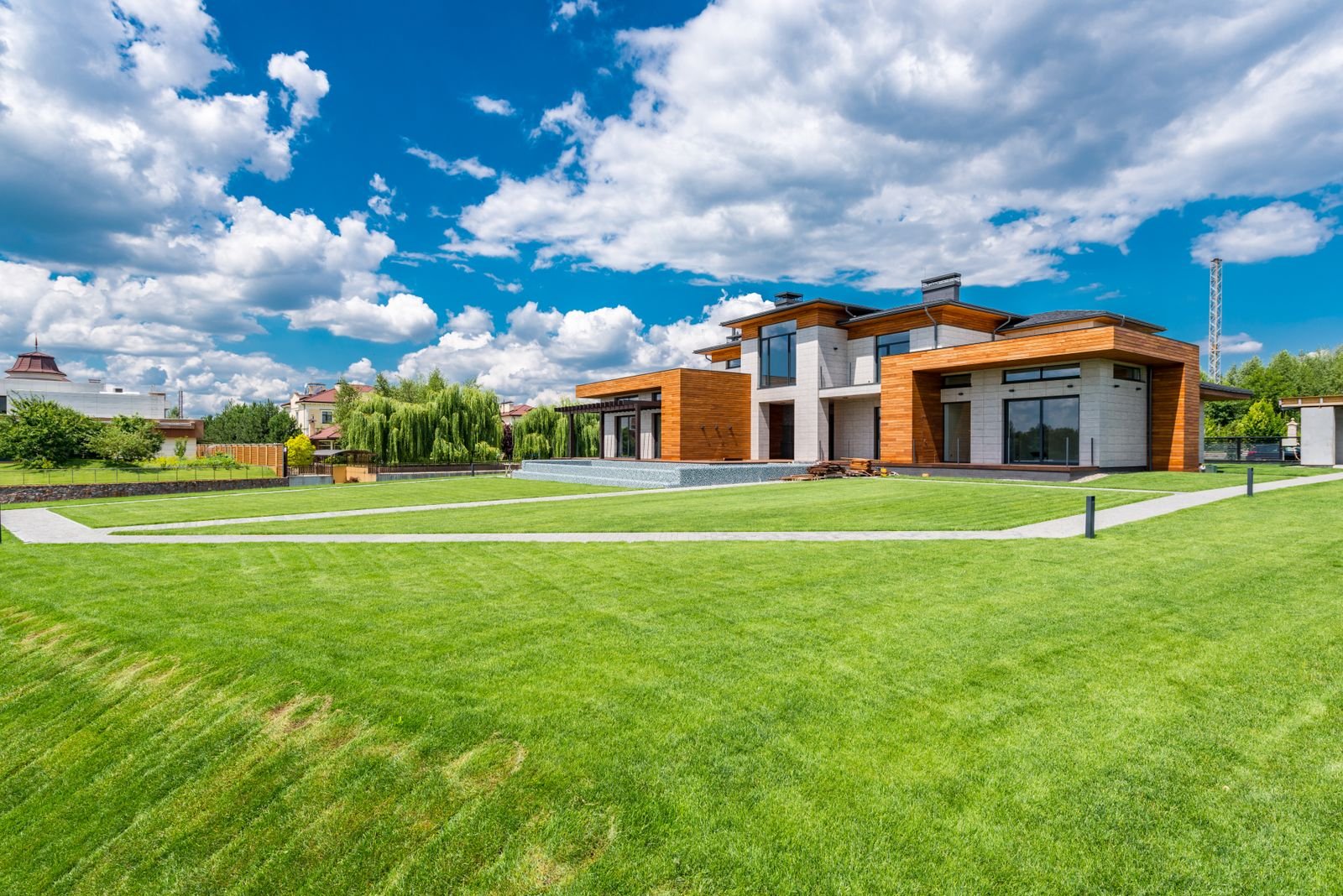
Most property listings read like they were written by the same tired estate agent in 1998. “Stunning three-bedroom home in a sought-after location. Won’t last long. Must be seen to be appreciated.” AI tools have made this worse, not better — they can now produce that exact paragraph for every house on the street in four seconds flat.
I’ve written listing copy both ways now — the old way, staring at a blank page with a floor plan, and the AI-assisted way — and the difference isn’t speed. The difference is whether the listing tells a buyer something they can’t already see in the photos. A listing that just repeats the pictures is wasted space. Here’s the workflow I use now.
1. Give the AI the facts, not adjectives
A bad AI listing starts with a bad prompt: “Write a listing for a three-bedroom house.” That’s how you get “stunning” and “spacious” and “won’t last long” — because the model has nothing real to work with, so it reaches for the phrases it has seen a thousand times before.
Before I open any AI tool, I collect the facts a buyer actually cares about: the square footage, the direction the garden faces, how far the station really is on foot, what the light does in the kitchen at four in the afternoon, and the one thing that’s genuinely unusual about the place. Then the prompt writes itself: “Three-bed semi, 1,150 square feet, south-facing garden, seven-minute walk to the station, kitchen gets full afternoon sun, loft already boarded, downstairs loo added in 2021.”
Feed the model that, and the draft stops sounding like a brochure.
2. Ban the listing clichés before you start
Every AI listing is full of words that signal “nobody who has seen this house wrote this”: “stunning,” “cozy,” “charming,” “oasis,” “priced to sell,” “won’t last long,” “a rare opportunity.” Buyers have read these words ten thousand times. They mean nothing, and worse, they make the real claims around them feel cheaper.
I keep a short banned list and put it in the prompt itself: no “stunning,” no “cozy,” no “won’t last long,” no “must be seen,” no “sought-after location.” When the model can’t reach for the clichés, it has to reach for the facts I gave it instead — and the facts are the only part of a listing that ever sold a house. If the location is genuinely good, say why — the school, the park, the train. If you can’t say why, the phrase was doing the lying for you.
3. Write for the buyer standing in the room
The best listings I’ve read answer the question a buyer asks while walking through the door: what would it feel like to live here? Photos show the rooms. The words should tell them what the photos can’t.
That means specifics, not adjectives. Not “a bright and airy living room” but “the living room faces south, so the afternoon sun lands on the sofa — in winter it’s the warmest room in the house.” Not “a lovely garden” but “the garden is long enough for a proper table and a trampoline, and the back fence is a hedge, not a wall, so it feels bigger than it is.” One concrete detail per room is enough.
And mention the honest trade-offs: “the third bedroom is small — it fits a double bed and a desk, not much more” builds more trust than “a versatile third bedroom.” Buyers find out anyway, and finding out from you first is the difference between a viewing and a complaint.
4. Let the AI draft the structure, not the description
A good listing has a shape: a headline that names the one real selling point, a two-sentence hook, the rooms in the order a buyer walks through them, the location in plain terms, and a clear next step. That structure barely changes from one property to the next, and it’s exactly the kind of thing AI is good at.
I let the model draft the full skeleton and treat it as scaffolding. Then I do the part only a person who has stood in the house can do: the description. The model will write “The kitchen is perfect for entertaining.” I rewrite it as “The kitchen fits a six-seat table and the back door opens straight onto the garden, so in summer the whole ground floor works as one room.” One of those sentences helps a buyer picture their life there. The other one fills space.
5. One specific detail per room
This is the highest-leverage edit I know, and it works on listings better than anywhere else. For every room, add one concrete detail the photos don’t show: a number (“the hallway is wide enough for a pram and a bike”), a sound (“you can hear the church bells on Sunday, faintly”), a fact (“the boiler was replaced in 2023, and the receipts are in the drawer”).
AI can’t invent your specifics — it wasn’t in the house. So specifics are the fastest way to make a listing unmistakably about this property and no other.
6. Fact-check every claim — a listing is a legal document
This is the rule I never break, and on listings it matters more than anywhere else I write. A wrong number in a blog post is embarrassing. A wrong number in a property listing is a misrepresentation — sizes, distances, school zones, lease lengths, service charges. AI models guess confidently, and a guessed figure in a listing is a promise you didn’t mean to make.
I check every measurable claim against a source before the listing goes live: the floor plan for sizes, a map for walking times, the council site for the school zone, the lease for the ground rent. If the model drafted “a short stroll to the station,” I replace it with the real number — “seven minutes on foot” — because a buyer will measure it on the first viewing.
The honest truth
AI made listing writing faster. It did not make listings better — if anything, it made them more identical, because now every agent can produce a polished, professional-sounding paragraph in seconds. The thing that separates the listing that gets viewings from the forty others on the portal was never the adjectives. It’s the evidence that a real person stood in the house, noticed the light at four in the afternoon, and wrote down what was actually there.
Use the AI for the skeleton, the structure, and the speed. Keep the specifics, the numbers, and the honesty for yourself. That’s the listing — and it’s the part no model can write for you.
Frequently Asked Questions
Can AI write a property listing on its own?
It can draft the structure and fill in standard sections, but it can’t know which way the garden faces, how long the walk to the station really is, or what makes this house different from the one next door. Treat its output as a skeleton: useful for speed, useless as a finished listing until a person who has seen the property adds the specifics.
How long should a property listing be?
Usually 150 to 250 words for a standard home. If a sentence doesn’t help a buyer decide whether to book a viewing, cut it. Length never sold a house that clarity lost.
Should I use AI for luxury listings?
Yes, but with more human editing, not less. Luxury buyers notice generic language faster than anyone. The more expensive the property, the more the listing needs real specifics: the provenance of the kitchen, the view at dusk, the actual dimensions. AI can draft it; only a person can make it feel like a million-pound house.
How do I stop all my listings from sounding the same?
Feed each one different facts and keep a banned-words list in every prompt. If two listings for different houses could be swapped without anyone noticing, the problem isn’t the AI — it’s that no real detail went in. One specific, verifiable detail per room is what makes a listing belong to one address only.
Continue your workflow
- Writing Product Descriptions with AI: A Practical Guide
- How to Write Sales Pages with AI (Without the Hype)
Was this guide helpful?
Tell us what needs improving →
Your selection stays on this page. To send feedback to the publication, use our contact form.
Published 23 November 2026 · Text Craft Pro · AI-assisted educational writing. Editorial policy · Suggest a correction